Social & Emotional Learning
Building the foundation for lifelong success through emotional intelligence and social skills
Vision
Social and Emotional Learning (SEL) is an integral part of education and human development at NIS. We envision a community where all young people and adults acquire and apply the knowledge, skills, and attitudes to develop healthy identities, manage emotions, achieve personal and collective goals, feel and show empathy for others, and make responsible and caring decisions.
SEL is woven through life at NIS: we help everyone build healthy identities, emotional skills, empathy, and caring choices.
Mission
At NIS, we integrate SEL into our daily curriculum to help students build essential life skills that prepare them for academic success and meaningful relationships.
We build SEL into daily learning—so students gain skills for academics, wellbeing, and relationships.
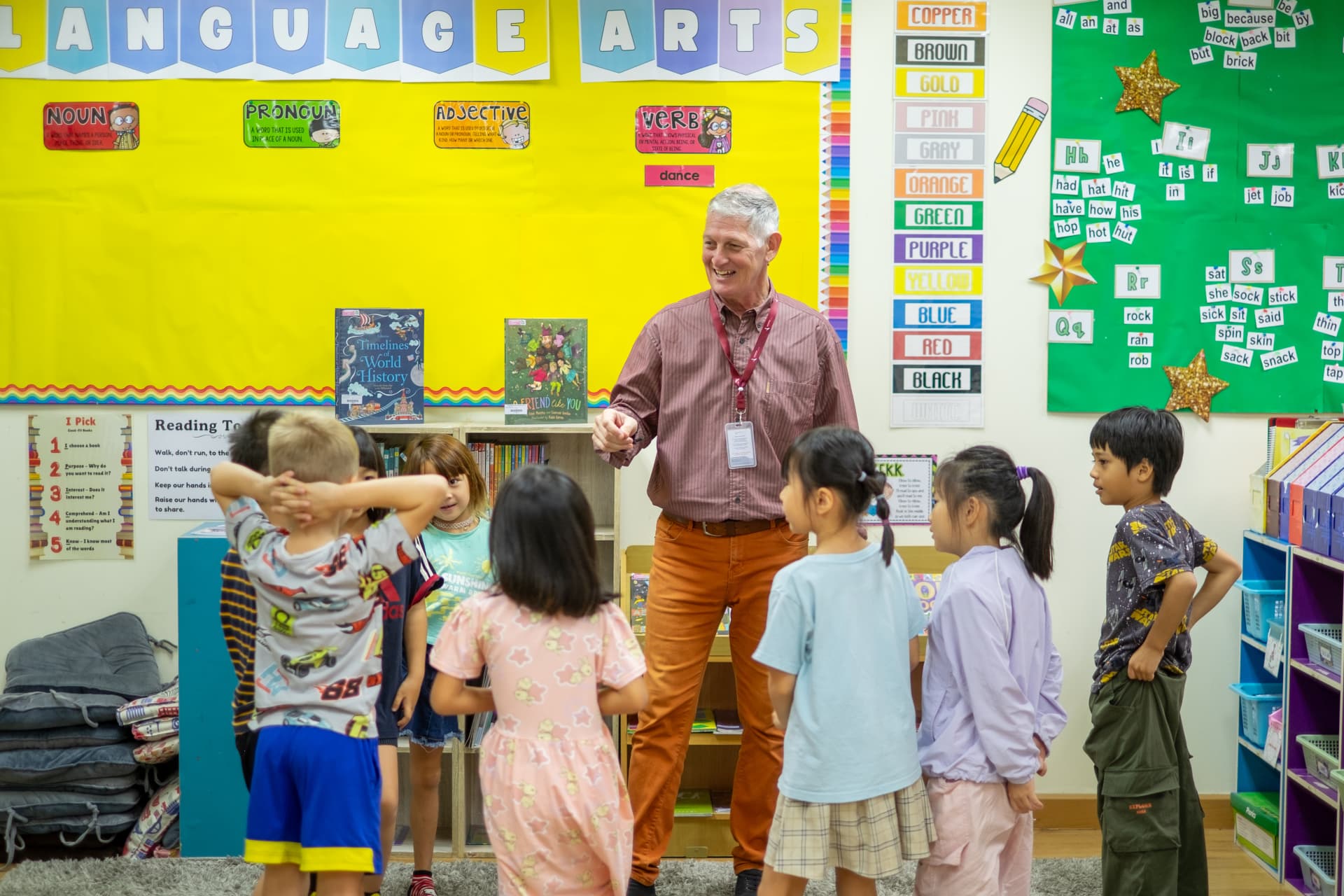
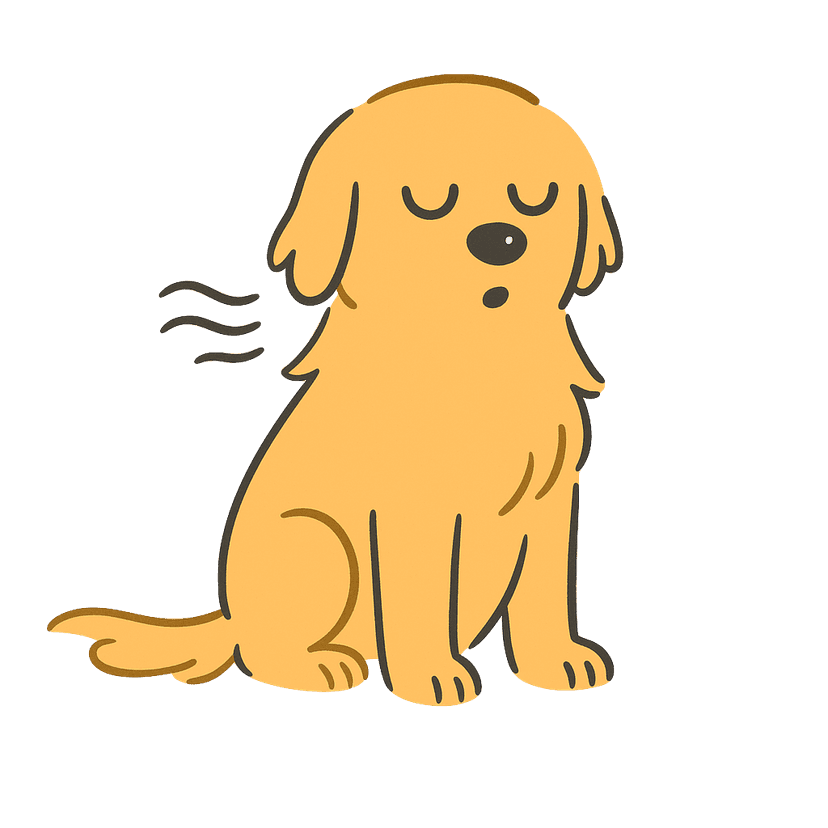
Why SEL Matters at NIS
Academic excellence and social-emotional growth—together.
- Develop self-confidence and resilience
- Build strong, healthy relationships with peers and adults
- Make responsible decisions that positively impact their lives
- Show empathy and respect for diverse perspectives
- Manage stress and navigate challenges effectively
- Achieve their full potential both academically and personally
Self-Awareness
Recognizing your emotions, strengths, and challenges, and understanding how they connect to your actions
Self-Management
Managing emotions, thoughts, and behaviors, and staying motivated to reach goals
Responsible Decision-Making
Taking responsibility by choosing safe, kind, and fair actions for yourself and others
Social Awareness
Understanding how others feel, showing empathy, and respecting people from different backgrounds
Relationship Skills
Communicating well, making and keeping friendships, and working together with others
Our Team
SEL Team
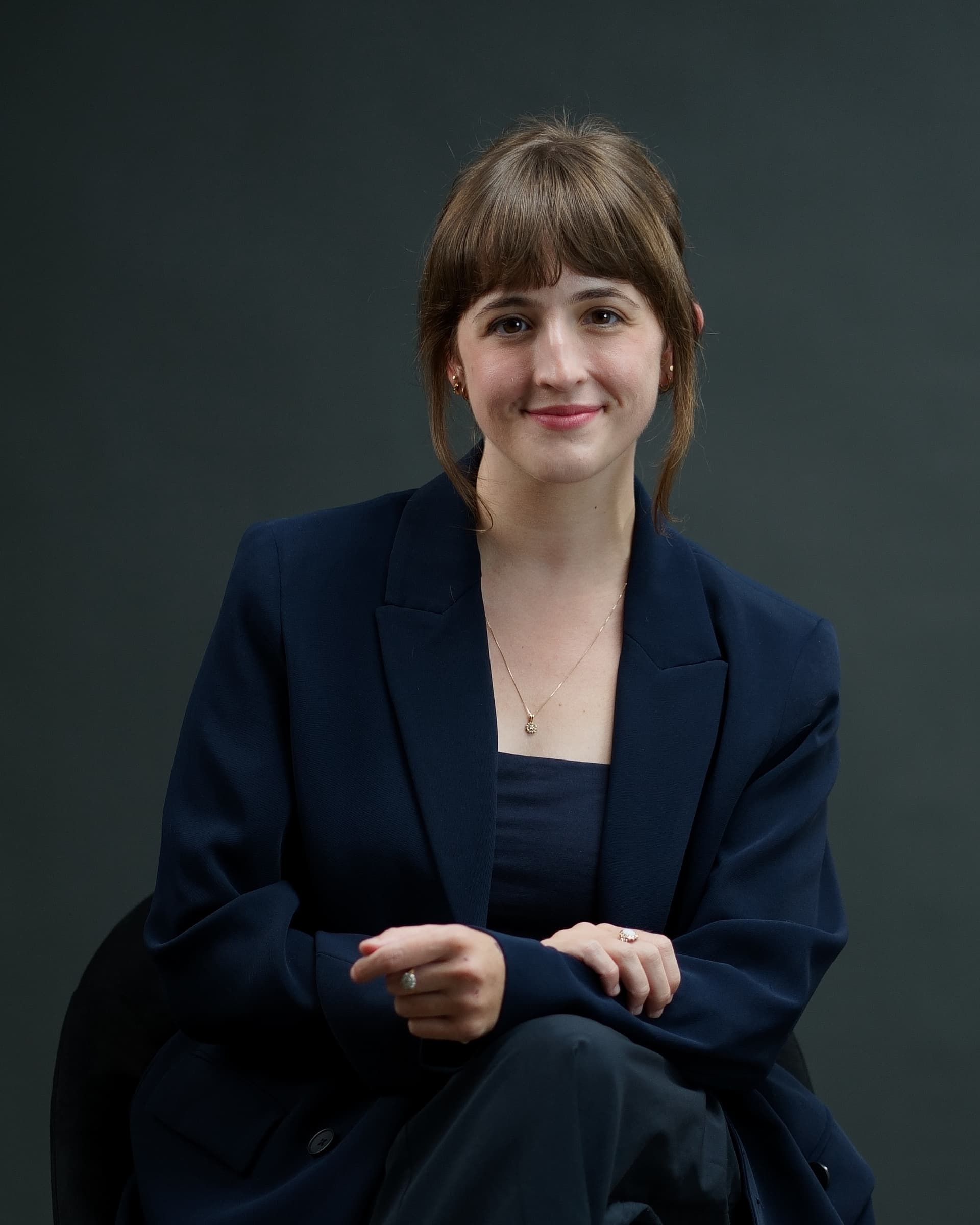
Ms. Emily
SEL Coordinator, M.Ed. in School Counseling
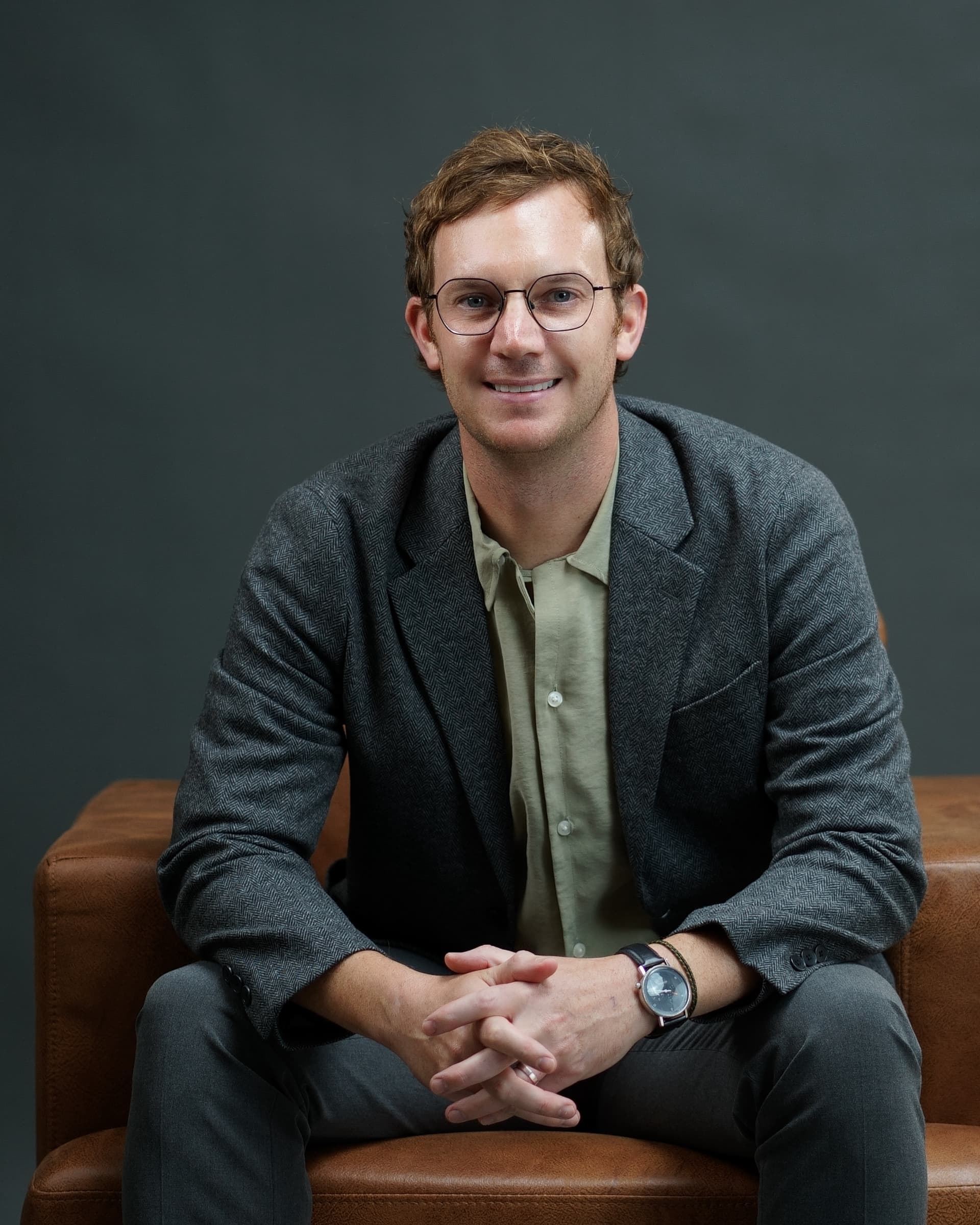
Mr. Cody
Well-Being Lead, Certified SEL Facilitator
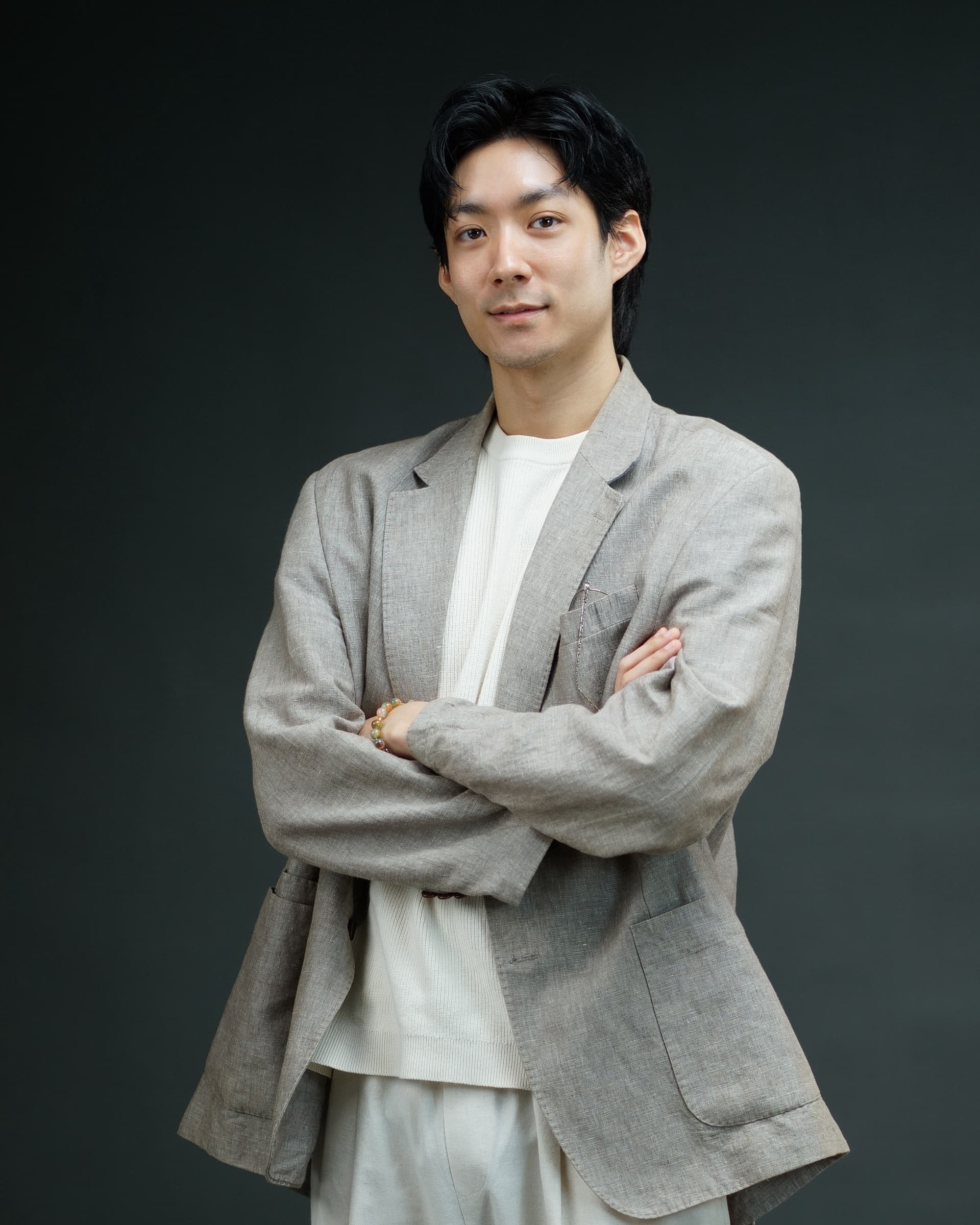
Mr. Patt
School Counselor, Trauma-Informed Practices
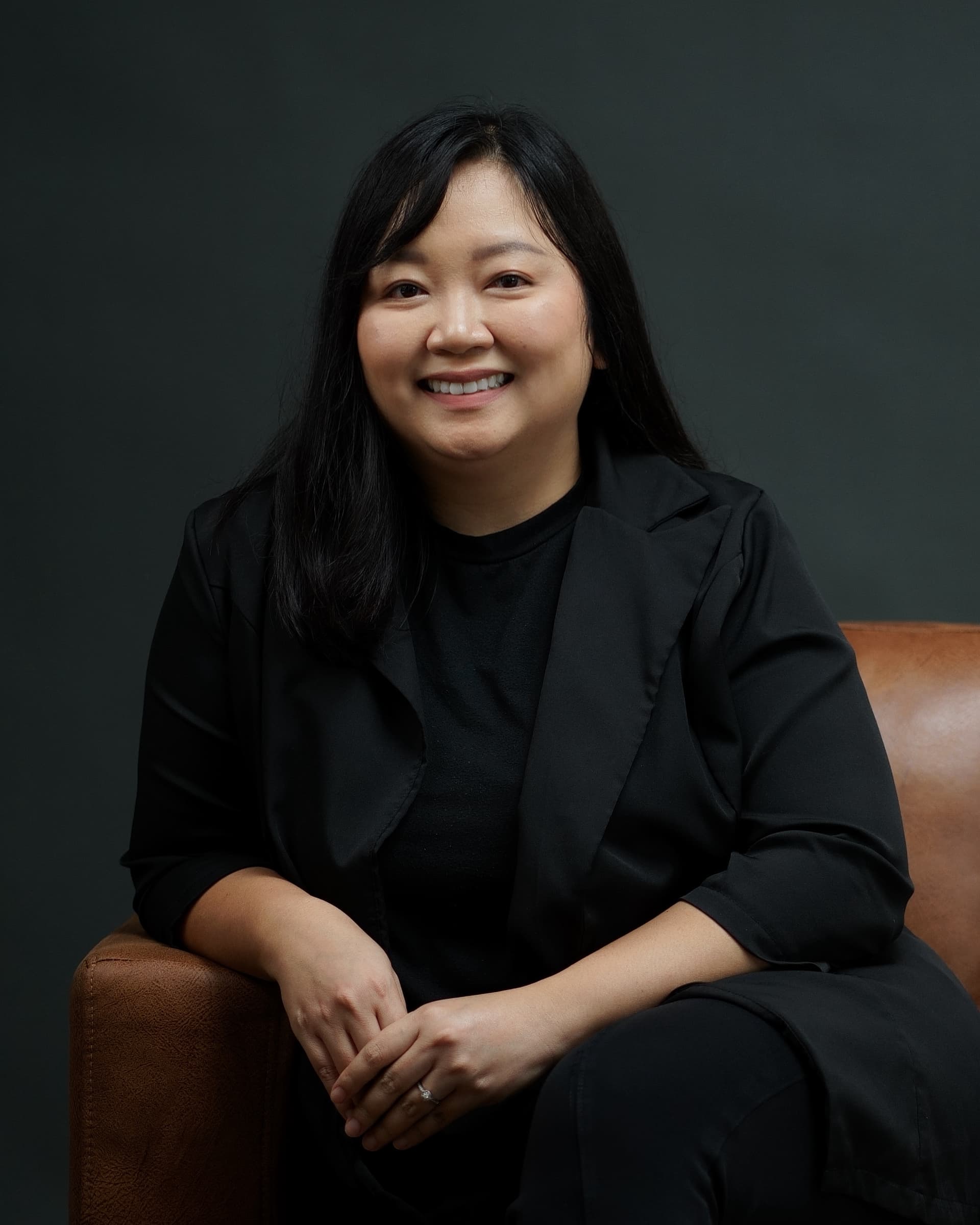
Ms. Fai
Elementary SEL Specialist, Mindfulness Practitioner
Growth in Action
SEL Implementations
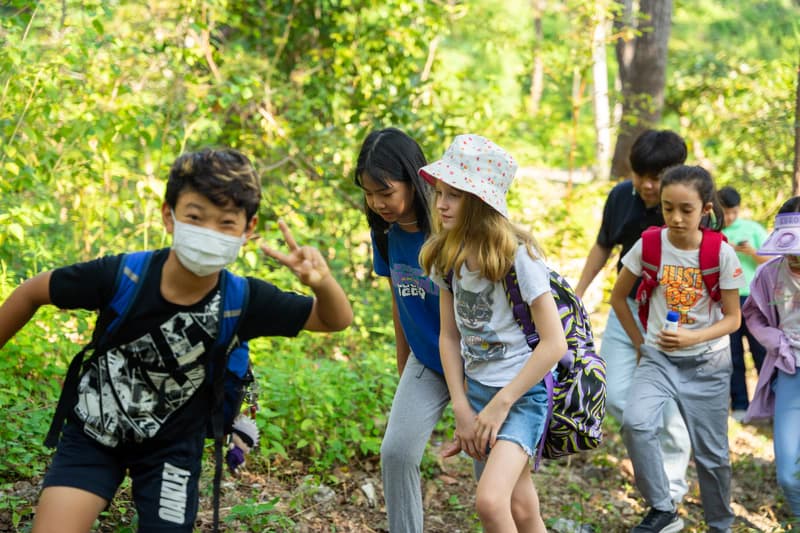
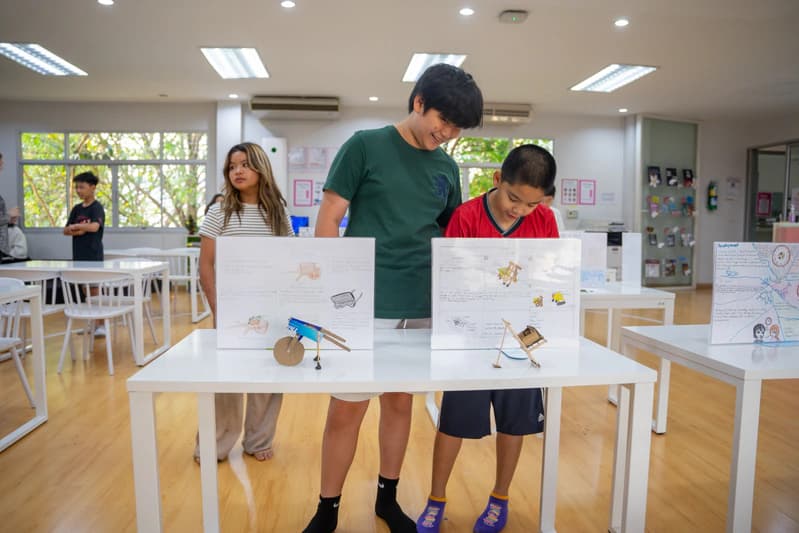
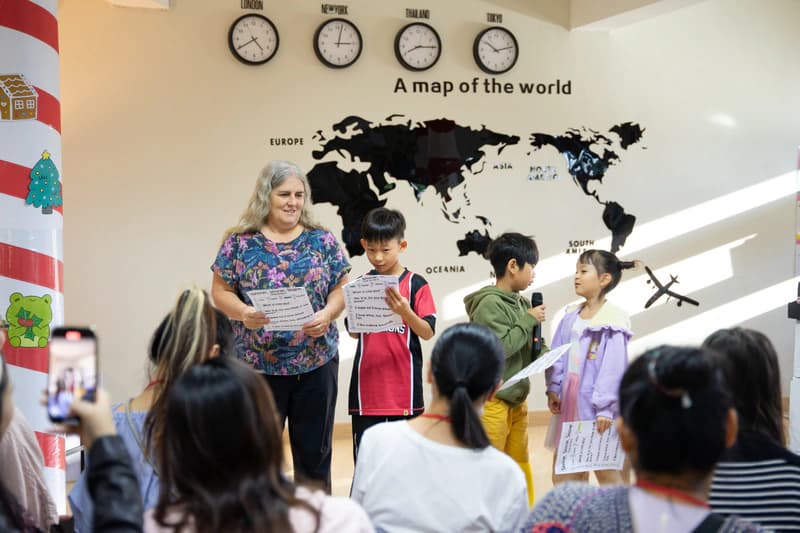
Elementary School
- •SEL spiral curriculum
- •SEL support groups
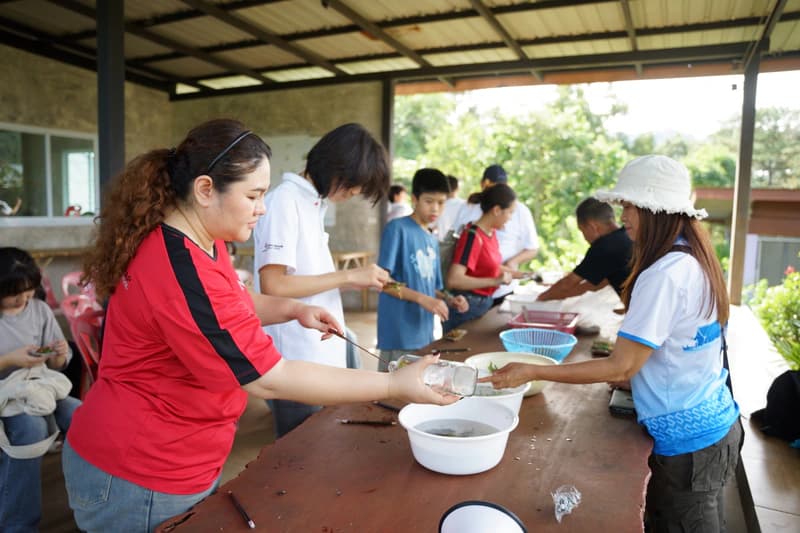
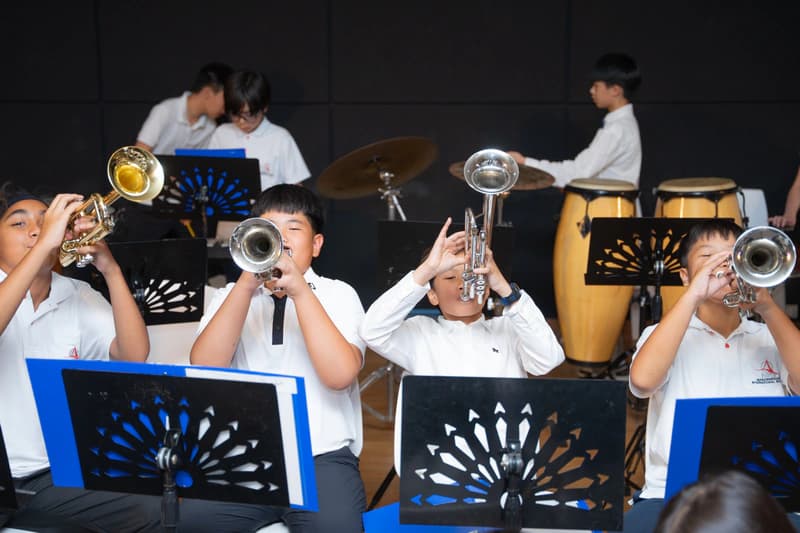
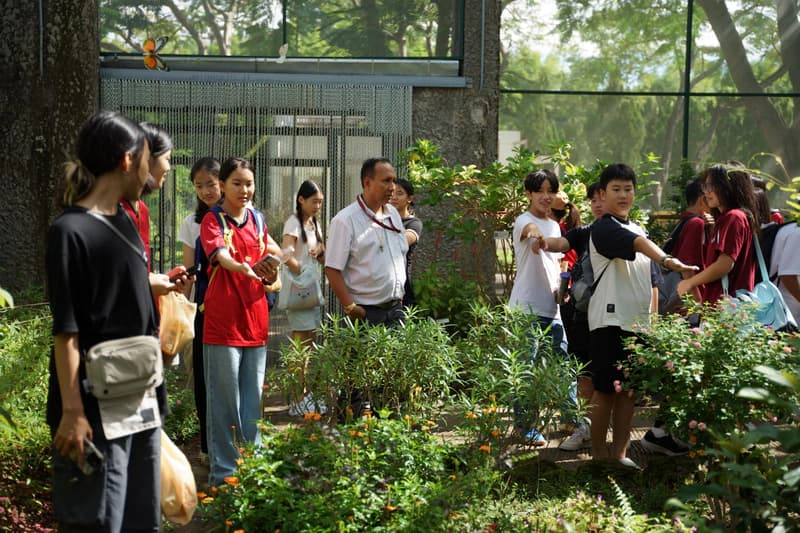
Middle School
- •SEL spiral curriculum
- •SEL & Well-Being Board
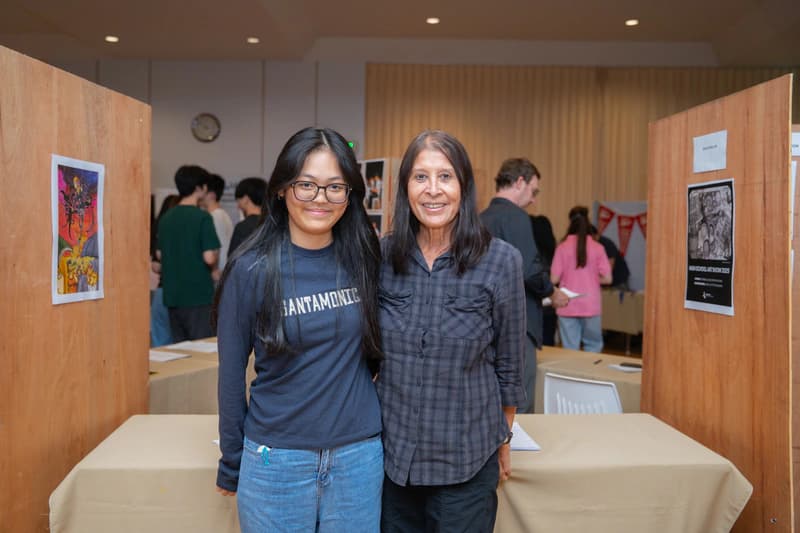
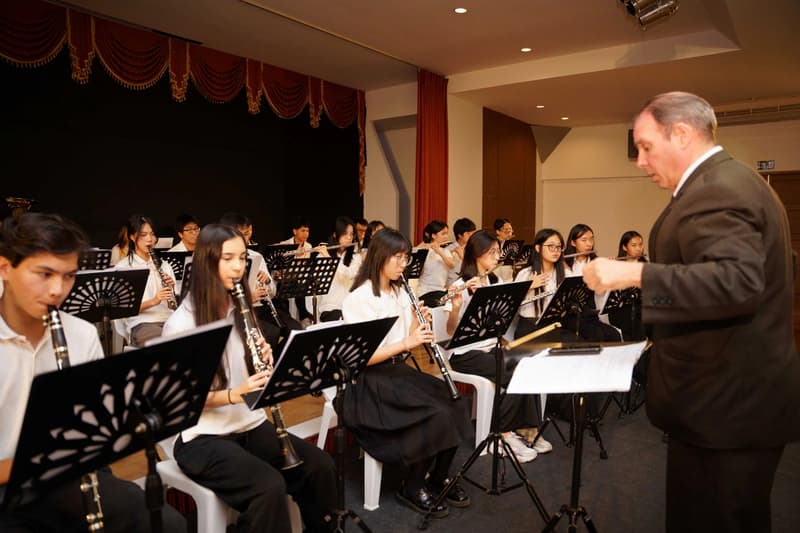
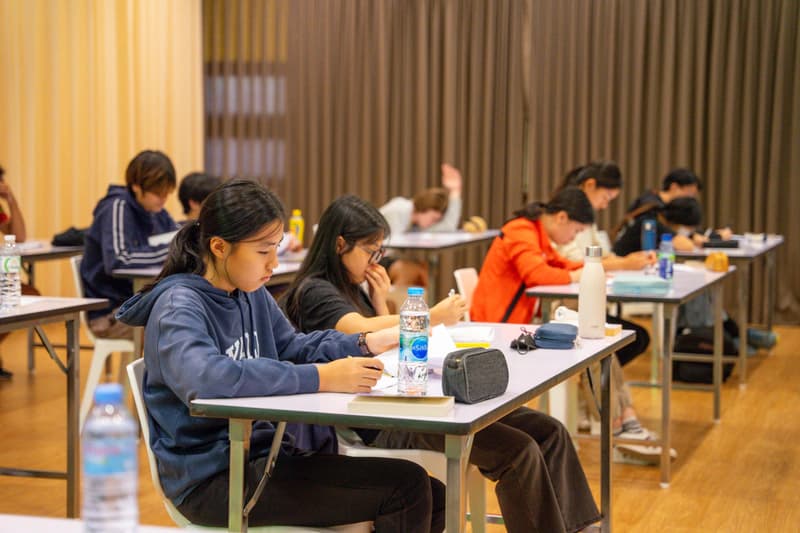
High School
- •SEL assemblies
- •SEL & Well-Being Board
Elementary School
Middle School
High School
- •SEL spiral curriculum
- •SEL support groups
- •SEL spiral curriculum
- •SEL & Well-Being Board
- •SEL assemblies
- •SEL & Well-Being Board
Success Stories
SEL Stories
Successful SEL-informed classroom showcases and interviews.